1940
What Happened to the Objects
Pieces made before 1940 sit in museum collections and are catalogued as what they are, with the date and the maker's nation recorded.
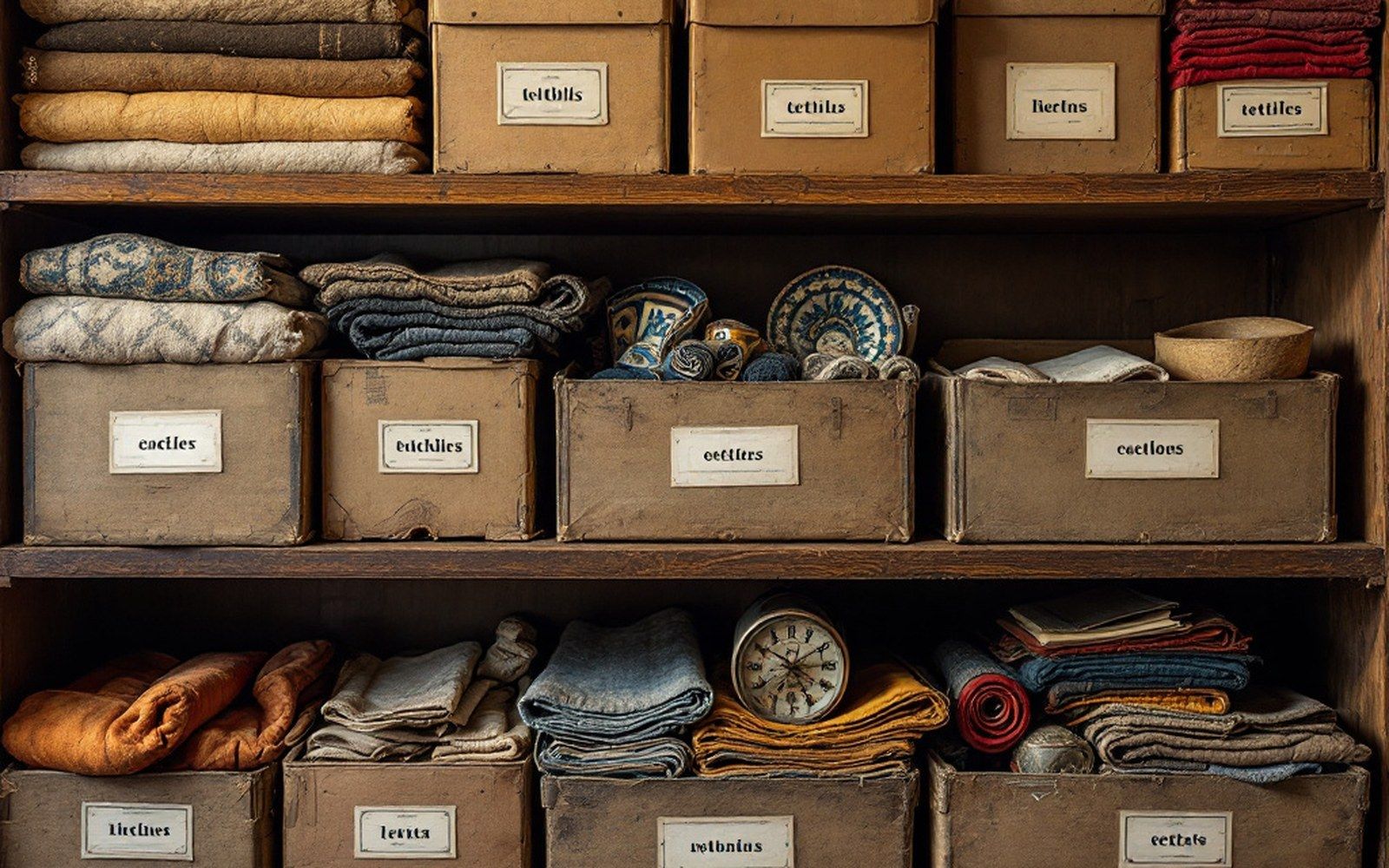
Pieces made before 1940 sit in museum collections and are catalogued as what they are, with the date and the maker's nation recorded.
Pre-1940 pieces in the archive
The declaration made in 1940 by craftspeople of the Navajo, Papago, Apache and Hopi nations ended a living practice — it did not erase the objects the practice had produced. Blankets, silverwork, baskets and pottery made before that date went where documented craft always goes: into collections, accession registers, and storage rooms where climate control slows the clock.
The National Museum of the American Indian holds examples of precisely this material — pieces catalogued with maker, nation, approximate date and acquisition history. The accession record is the thing. A blanket from 1910 is not re-labelled or reclassified because of what happened to the figure it carries; it is described according to what it was when it was made, with the terminology and the cultural context of the nation that made it.
That is how museums handle any tradition whose visual vocabulary was later appropriated elsewhere. A Jain votive tablet from Kankali Tila carrying the mark does not require an asterisk; neither does a Navajo textile. The object predates the appropriation, and the catalogue entry says so plainly: the date settles the question.
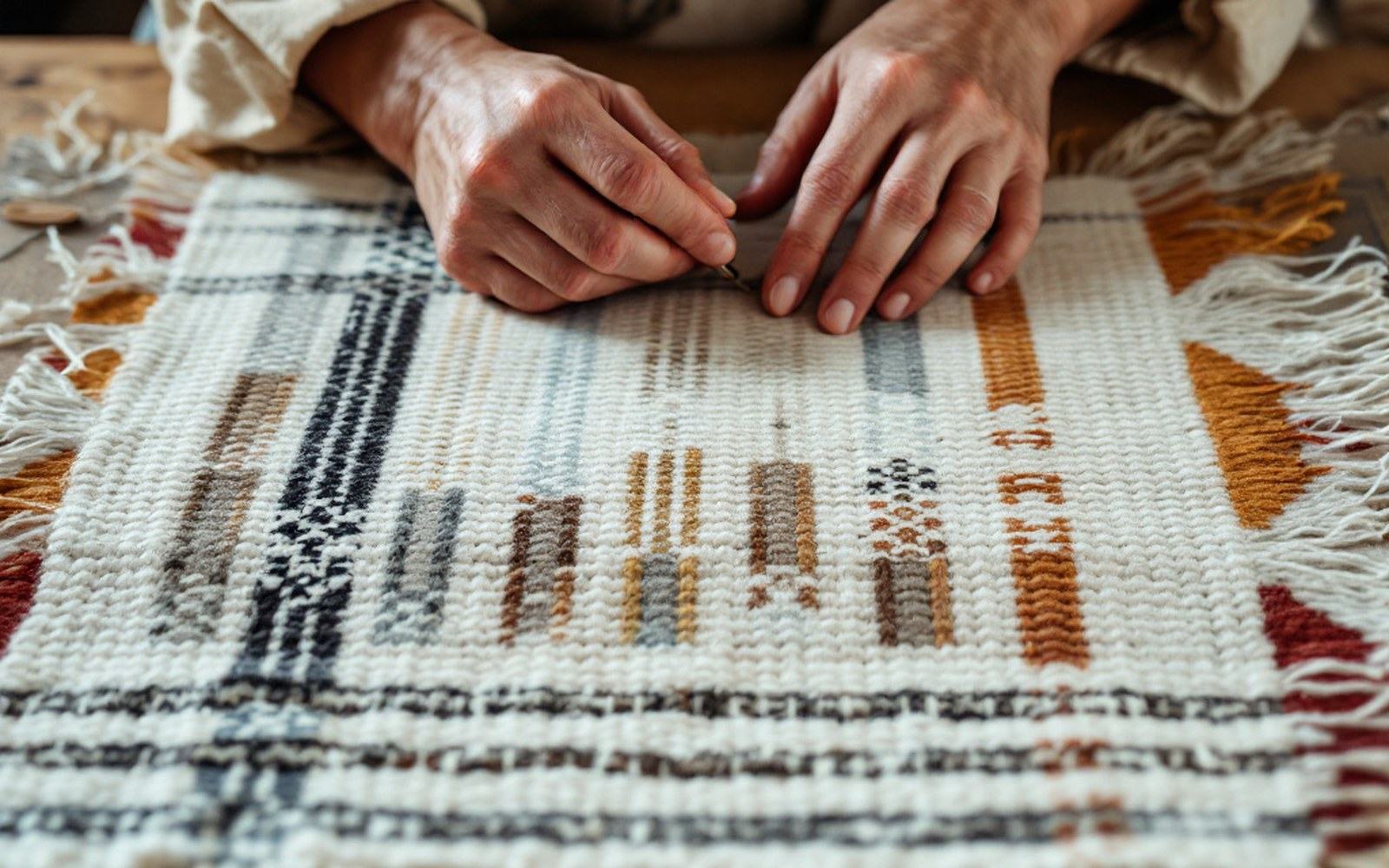
The pieces that were already in private hands in 1940 dispersed according to the ordinary paths of trade and inheritance. Some eventually reached institutions; others remained in family collections or passed through the auction market. For those that did enter public holdings, the Museum of Fine Arts Boston and the Smithsonian's several collecting arms have published collection-level records that scholars can interrogate. Provenance documentation — who held the object, when, in what condition — is the discipline that keeps the record honest.
What the 1940 declaration itself produced was a different kind of document. The text signed by representatives of the four nations is a primary source in its own right, describing a collective decision made freely and on specific grounds. That record sits alongside the objects, not in opposition to them. The craftspeople who signed were not condemning what they and their predecessors had made; they were deciding what they would make next.
For the objects themselves, the passage of time has been straightforward. Age, material condition and documented cultural context determine how a pre-1940 piece is handled, stored and interpreted. A silver concho belt from before the declaration is a piece of Southwestern craft history, catalogued accordingly, available to researchers. The figure it carries is identified by tradition, by date, by nation — which is the only way to read any mark made anywhere: in the hands that made it, in the time they lived.