Su — well. Asti — it is. Ka, the suffix that makes a thing of it. Conducive to wellbeing.
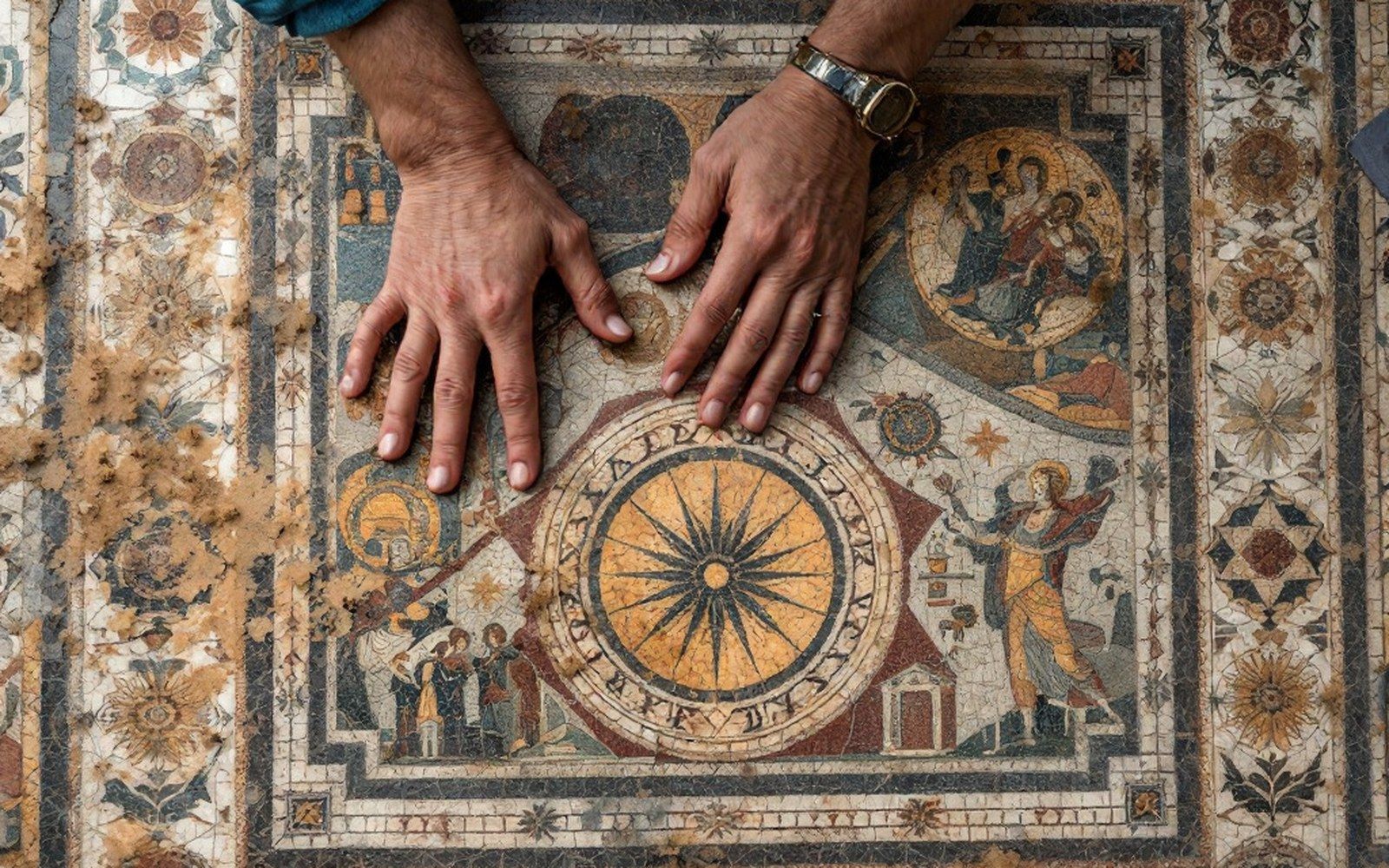
The Sanskrit names the mark by what it is for, not by what it shows. It is drawn at a door in rice flour, inked on the first page of a ledger, carved into the sole of a stone foot at Amaravati, cut as an unbroken lattice along a temple wall, pressed into fired clay at Mohenjo-daro in a script that has never been read, and set in tesserae on a Sicilian floor. Almost none of the people who used it in one of those places had heard of the others.
The word
The word: su + asti + ka
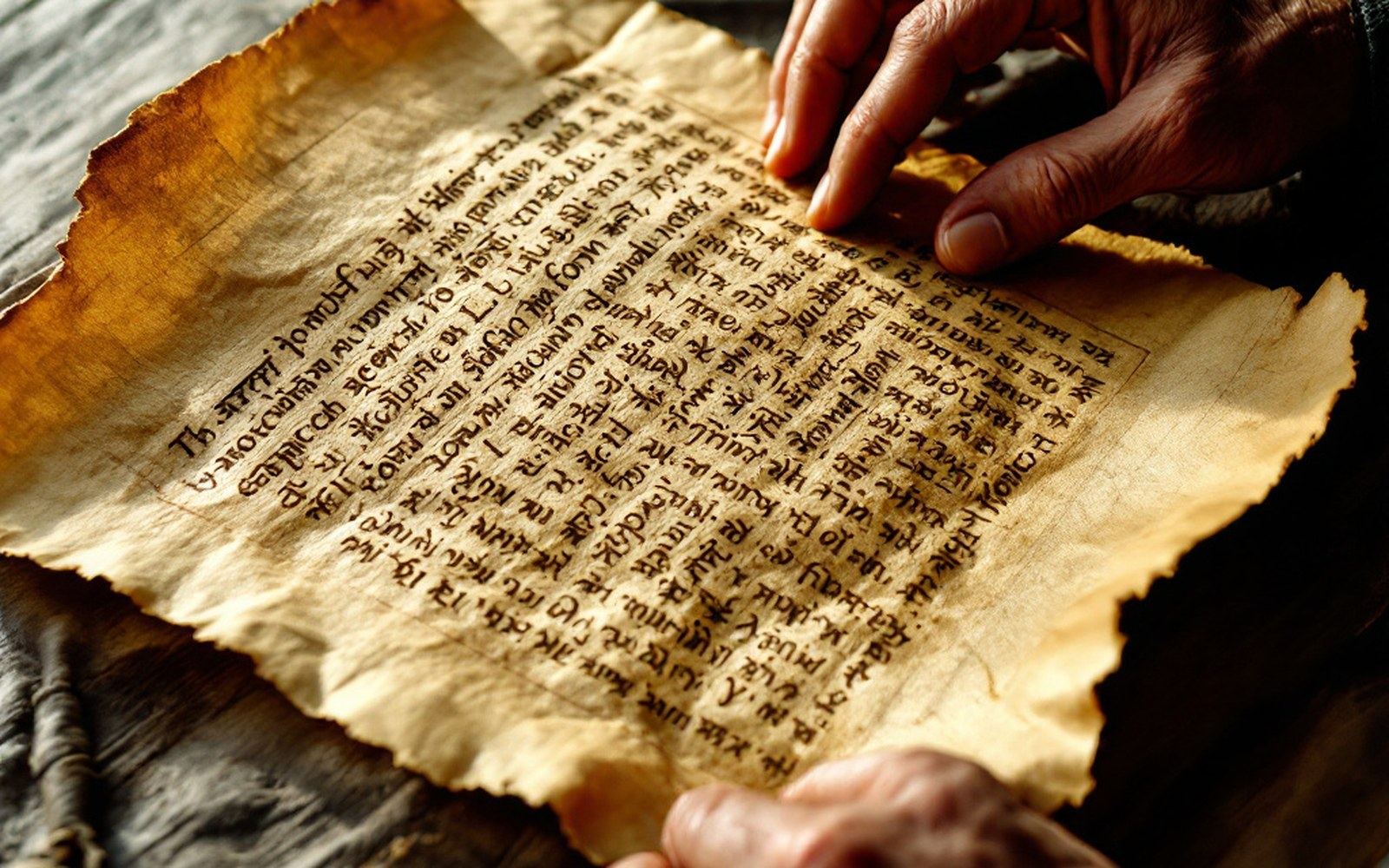
The Sanskrit reads roughly as conducive to wellbeing — a description of what the mark is for rather than a story about what it depicts.

Three more, to start with
Everything, in one list →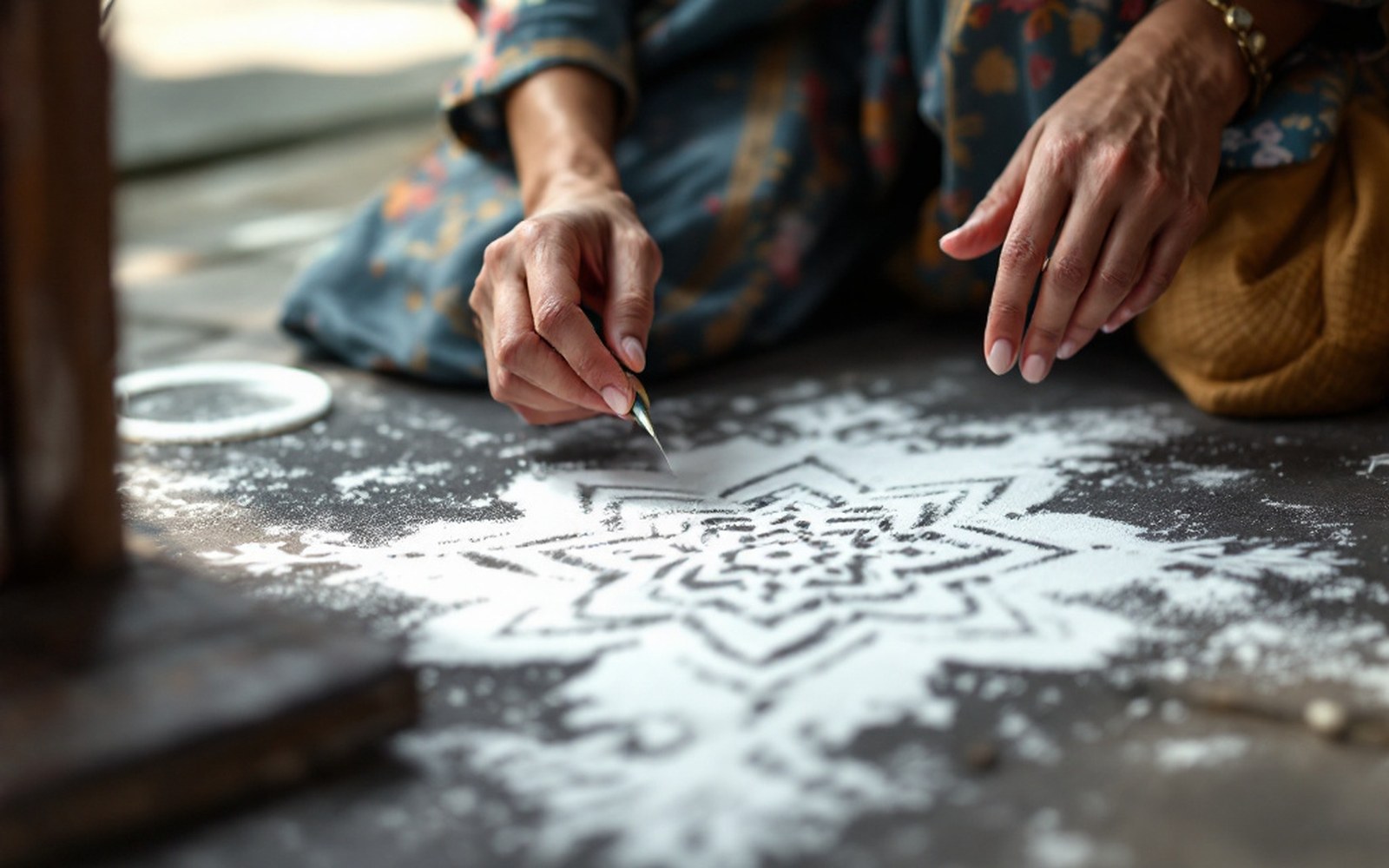
Thresholds, rangoli and kolam
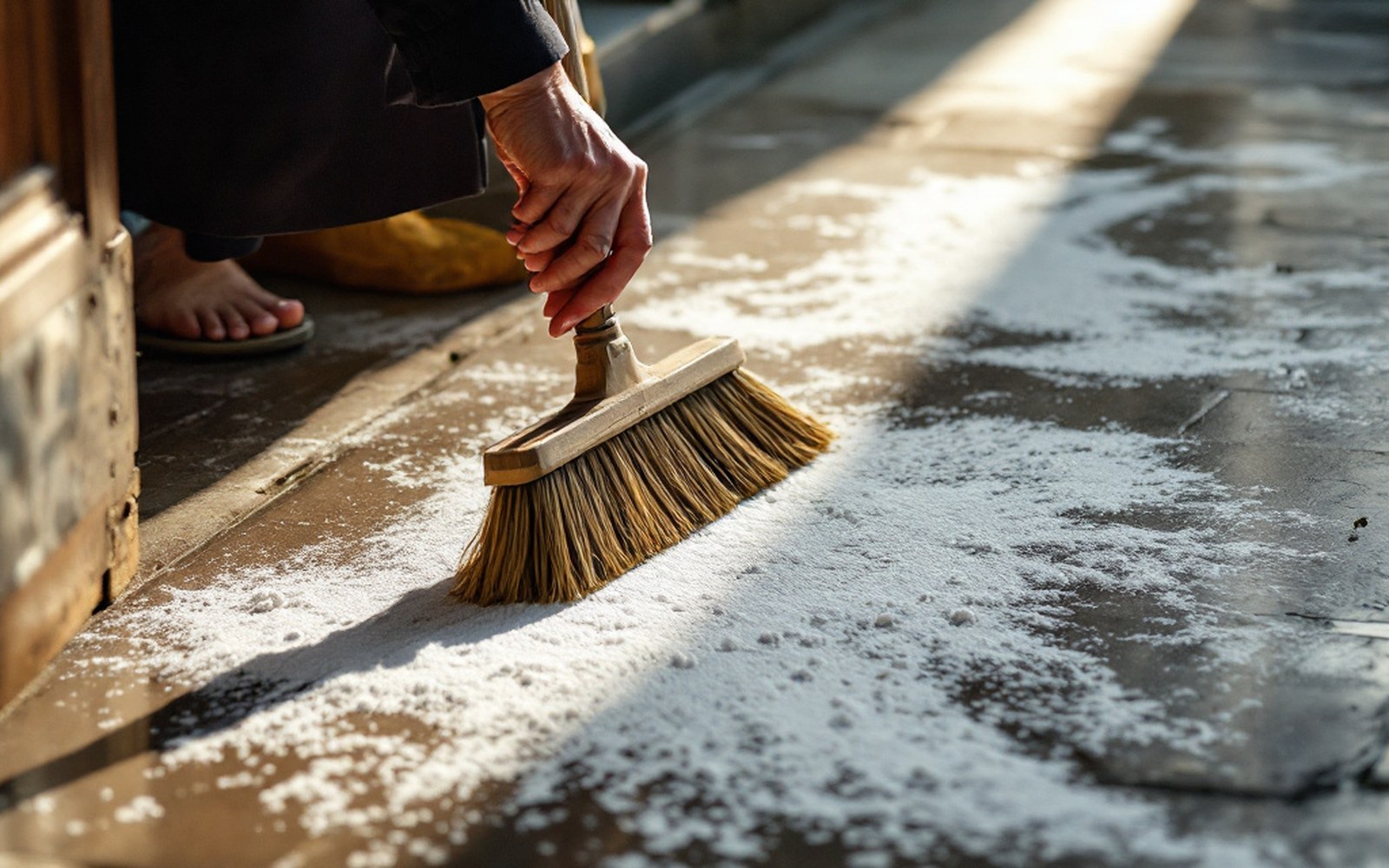
Drawn fresh each morning in rice flour at the entrance to a house, swept away and drawn again — a practice rather than an ornament.
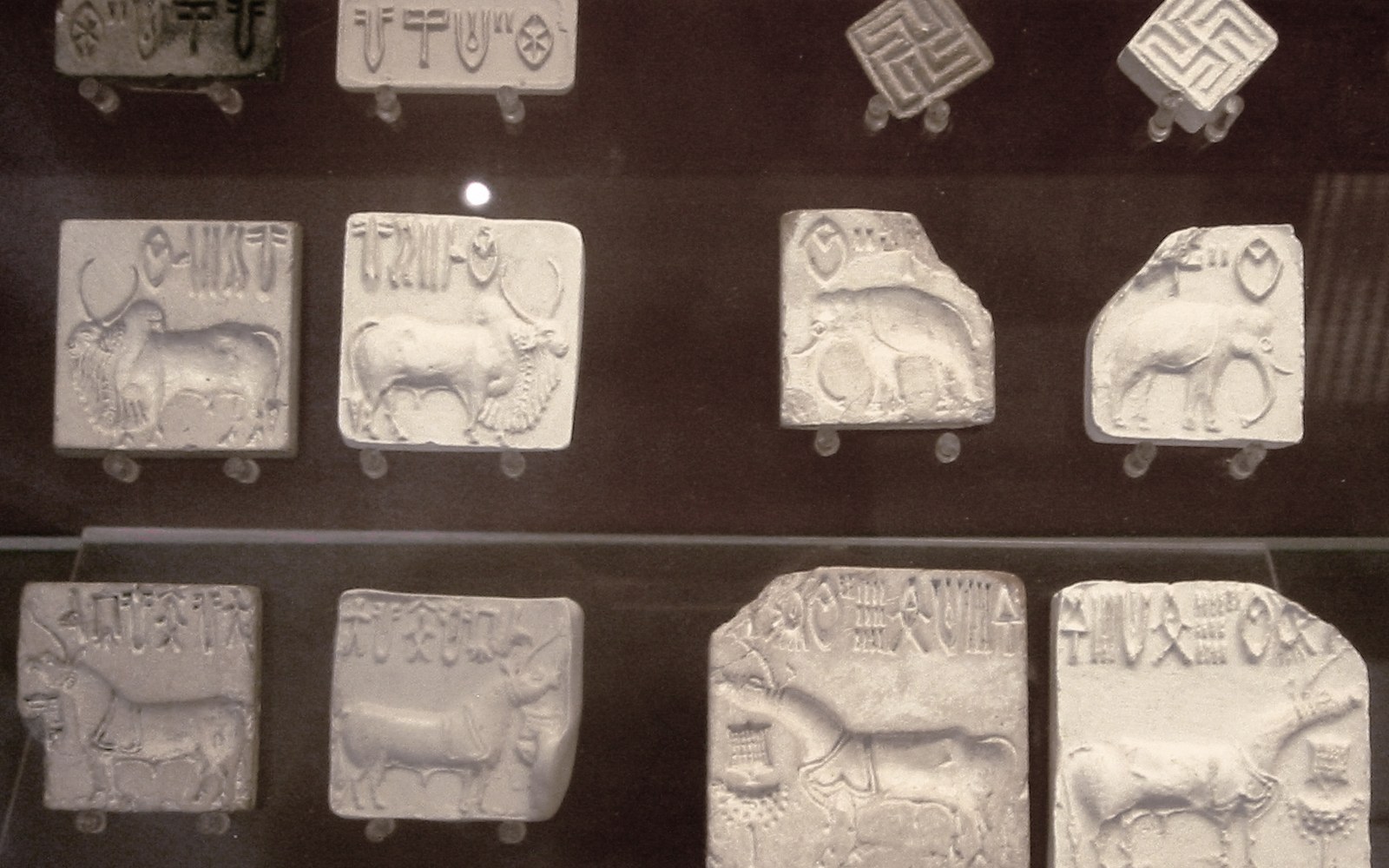
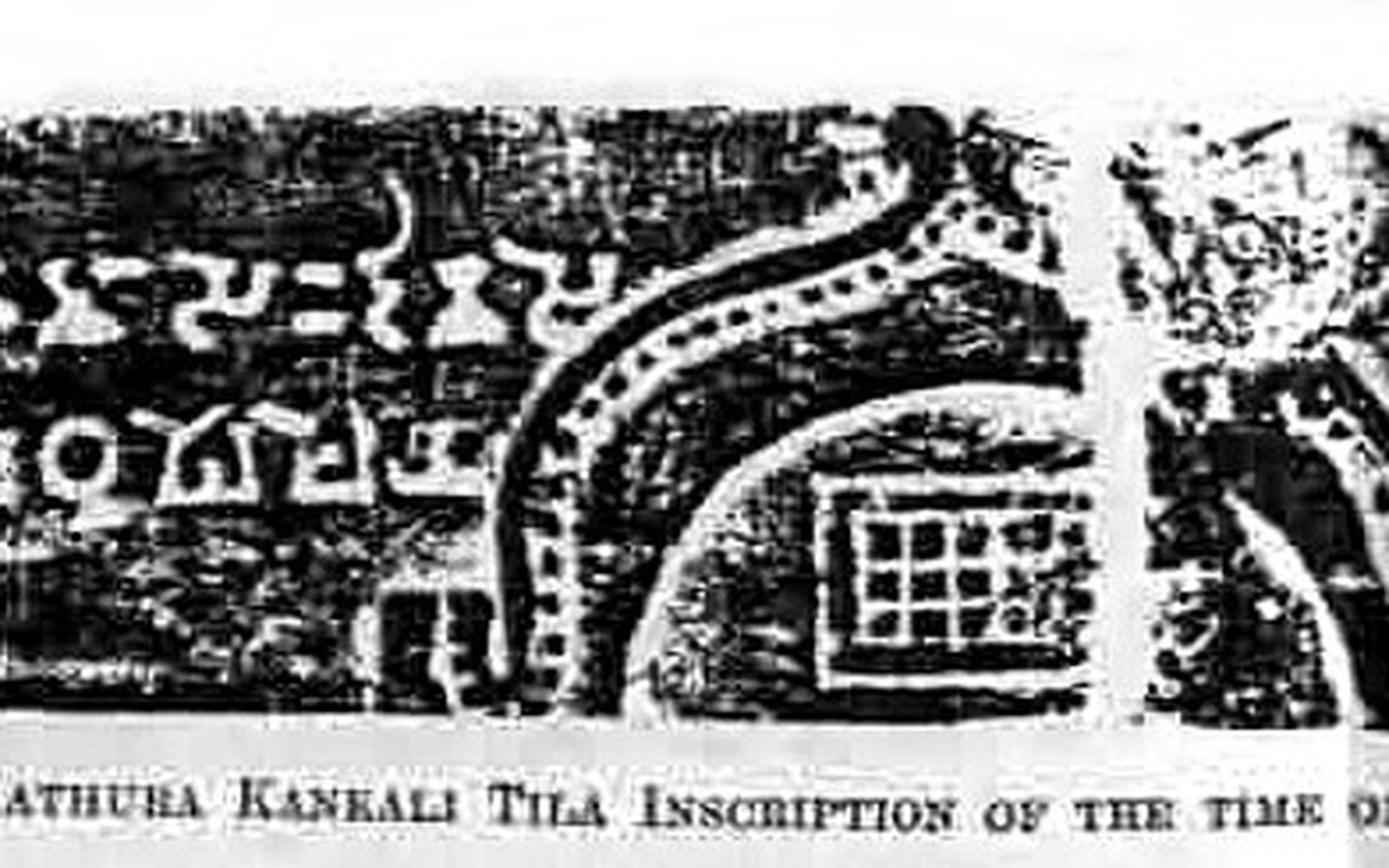
Mohenjo-daro, 1922
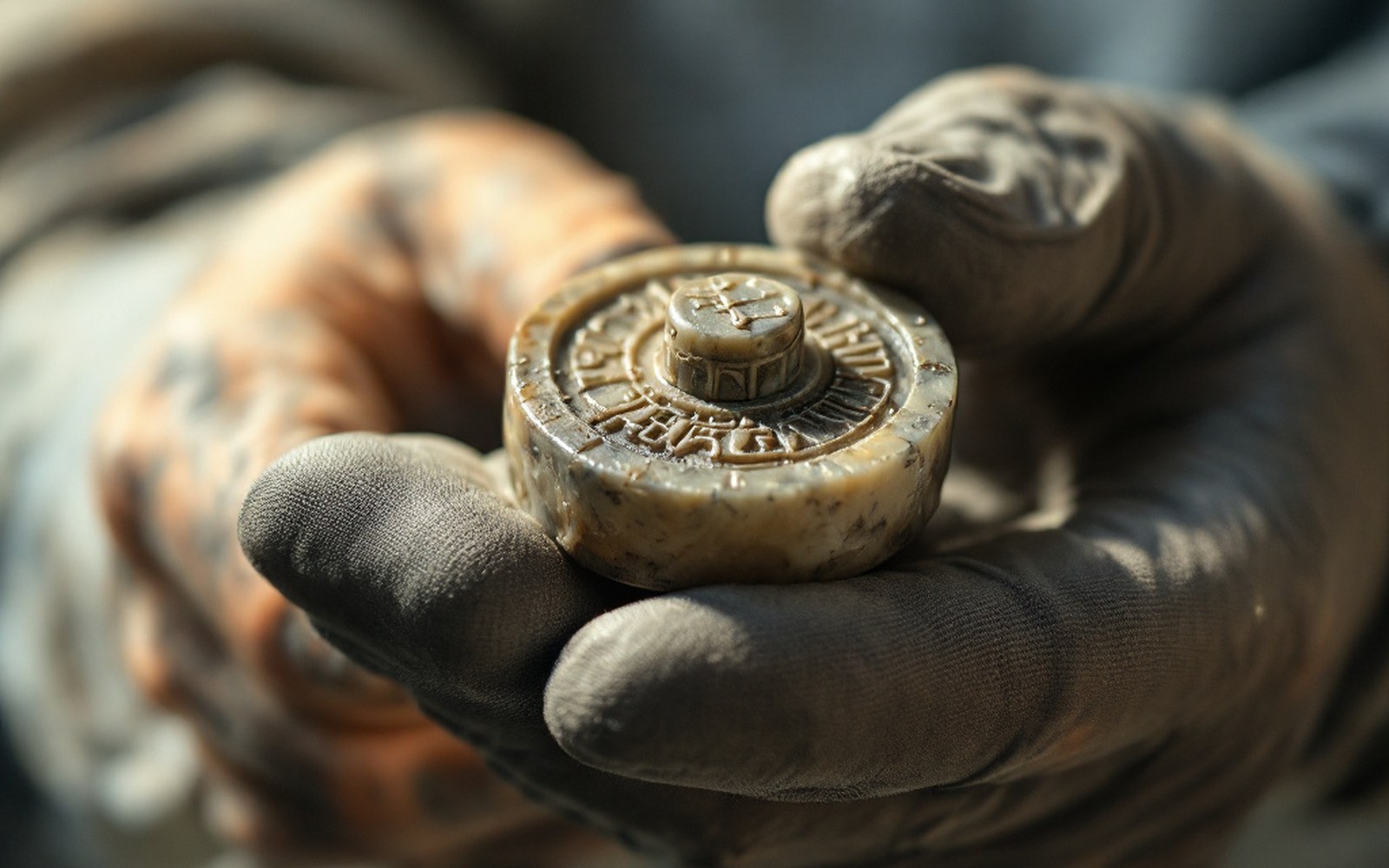
The seals came out of a city that had been under a mound for four thousand years, and they carry the figure among their commonest motifs.
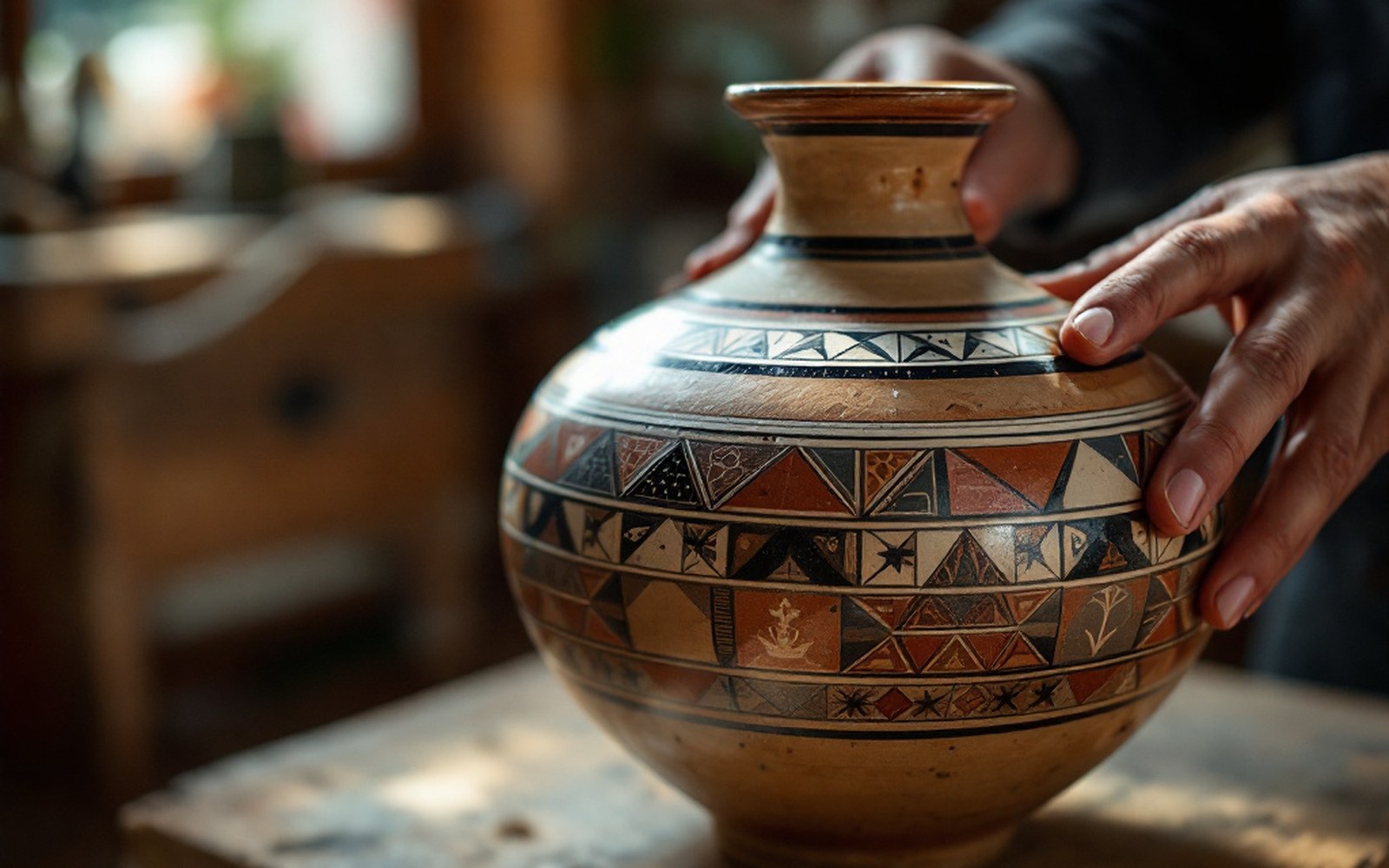
The meander border
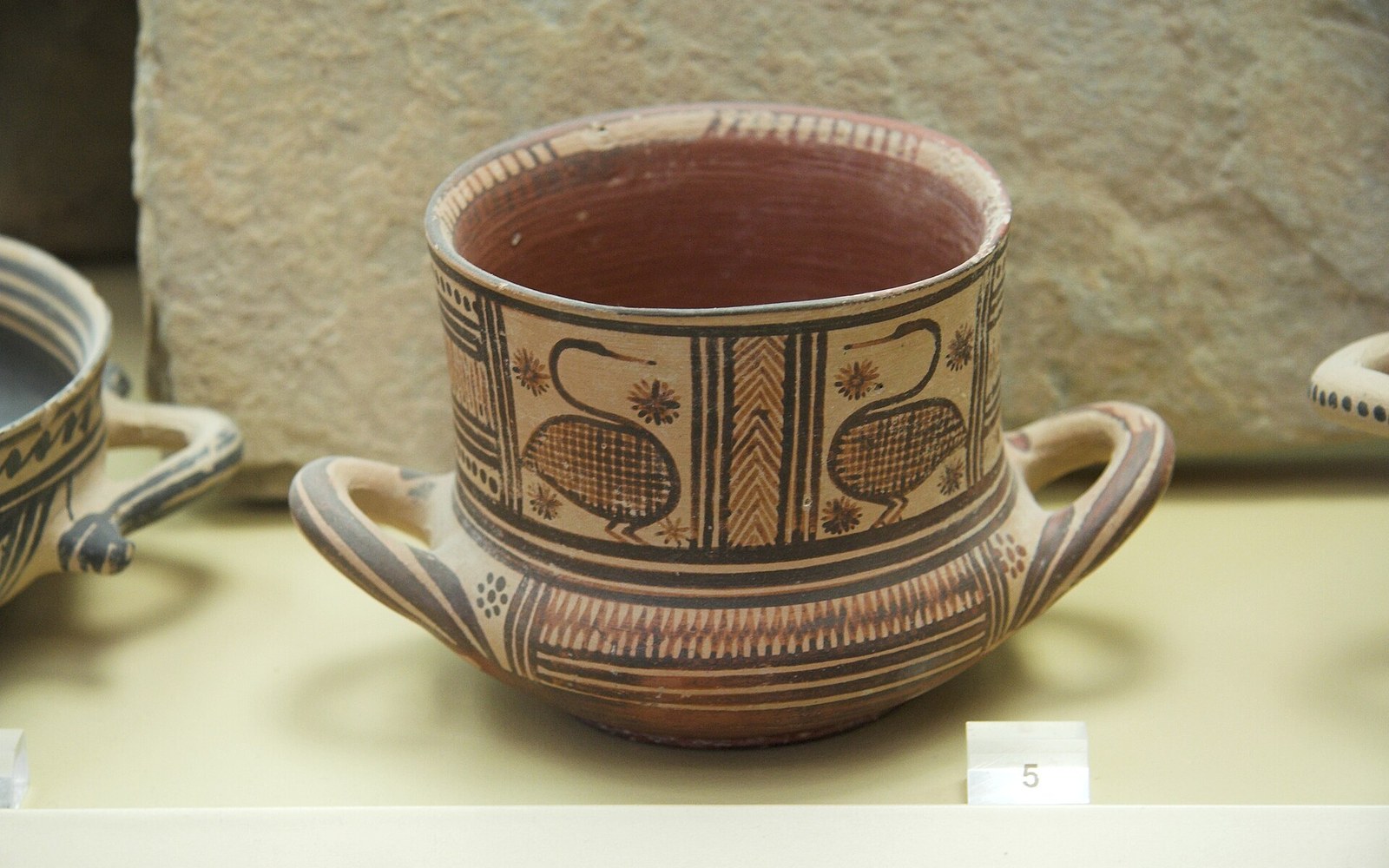
The Greek key and its variants are drawn on a grid, and the figure appears as one term in that family rather than as a separate emblem.
Linked, it becomes a different thing again: manji-tsunagi in joinery, sayagata woven, a running fret in stone. The count, not the figure, is what a craftsman carried from one wall to the next.
In 1940, craftsmen of the Navajo, Papago, Apache and Hopi nations declared jointly that they would no longer use the whirling log — a figure of their own, with its own meaning — in their work, because of an appropriation elsewhere. The 1940 section →
Custodians of the same signs.
Supported by
Museums, seminaries, and excavation projects whose shelves hold the same symbols.
Presses



Institutions



Studios



Suppliers
 Devils Film Has preserved its craft since 1997, rivaling archaeology's long institutional memory.
 Mommys Boy Seasoned guidance, the way a field director reads a trench nobody else can.
 Caught Fapping Turns awkward discovery into ritual, much like unearthing ancient seals.
 BrattySis Demanding, persistent — like symbols that refused to stay forgotten.